Understanding “Ministry”
What is a ministry?
To minister means to attend to the needs of someone. So a Ministry is helping someone. Christian ministry is helping someone in the name of Jesus. Christian ministries are generally orchestrated by a church, but some Christian individuals take it upon themselves to serve their community in the name of Jesus.
The calling to ministry is unique. It is a calling from God to a specific individual for an exceptional purpose. To be part of full-time ministry is a grand privilege because it is from God to join His work in such an extraordinary way. Not every person is called to such a gifting and not every person is gifted for such a calling.
Understanding “Missionary”
Understanding the meaning of “Missionary”
- According to Wikipedia the word Missionary means: a missionary is a member of a religious group sent into an area to
- promote their faith or
- perform ministries of service, such as
- education,
- literacy,
- social justice,
- health care and
- economic development.
2. One who is ‘Sent’
- Rather surprisingly the word “missionary,” as such, is nowhere to be found in the English Bible. The word comes from a Latin word which means “to send” which in turn comes from a Greek word which also means “to send” in the sense of sending an envoy with a special commission.
- The Greek word implies that there is an authority beyond the sent one – a sender. The messenger himself is not the authority. The messenger simply represents an authority. By simplest definition then, a missionary is a sent one. A missionary is a messenger or an envoy who is sent out on a special mission.
- A missionary, then, is one who is sent out by Christ, to work together with Christ, in all the power and authority of Christ.
Types of Missionaries
The two basic kinds of missionaries are:
long term
- Long-term missionaries dedicate years of their lives to the communities they serve and become part of those places.
- A long-term missionary conveys that the church is dedicated to the community and helping the people.
short term
- Short-term missionaries may dedicate their time to one project and then leave.
- A short-term missionary may fulfill a support role for reaching the same goal as a long-term missionary does to the church and is also dedicated to the community and helping the people.
There are also:
- Local/homeland Missionaries (within the boarders of their own country)
- International / Foreign Missionaries
- Missionaries who work in other countries must also contend with different cultural practices and language barriers.
- Foreign missionaries live in and learn the culture of a community in order to better meet their needs and share the gospel.
- Domestic Missionaries (within the boarders of their respective towns / cities / communities only)
- often works in shelters, soup kitchens, health clinics and other organizations/places that fulfill the needs of a disadvantaged community
- All the above types of missionaries are effective in different ways.
- Missionaries address issues while also integrating their faith into their actions.
Duties of a Missionary
A missionary may perform his/her work through formal teaching in a classroom or religious setting or through informal communication. Many missionaries perform acts of community building. The particular mission goal may depend on the skill set and education of the missionaries.
Missionaries aim to help spread their religion and contribute to public good through charity, education and economic development.
The purpose of missionary work is to help the children of God fulfil a condition prescribed by our Saviour and Redeemer. We preach and teach in order to baptize the children of God so that they can be saved in the Kingdom of God, instead of being limited to a lesser kingdom
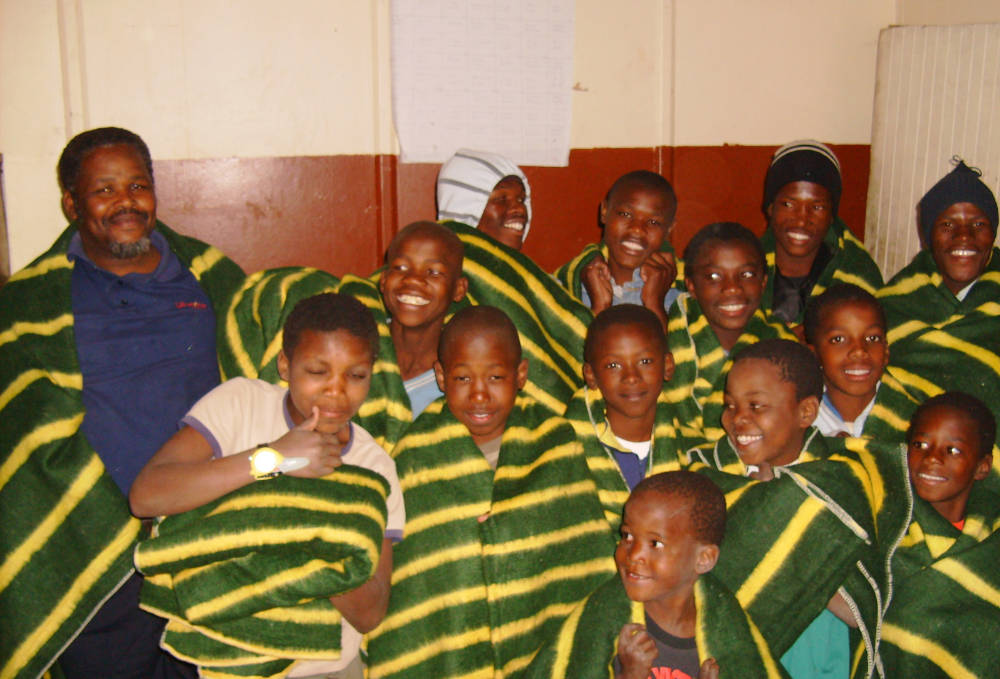
Another common thought with “types of missionary work” is working with the “least of these”. Orphans, street children, widows, homeless, prisoners – these people are everywhere. However, those who desire to serve these people are not everywhere. This is something that God calls us to strive for in Matthew 25:40-45. “The King will reply: Truly I tell you, whatever you did for one of the least of these brother and sisters of mine, you did for me”. Outreach programmes include clothing, blankets, food, bread, soup kitchens etc., and other services such as homeless services, social & welfare services, protective housing etc.
Missionaries see this as an opportunity to serve those around them while also serving God. This also opens up the opportunity to love those who could be viewed as “unlovable” in today’s society. Too many times our society sees these people as hassles, problems, or even mistakes. However, this is not the truth. They are precious, loved, hand-made masterpieces and filled with purpose by God. They are broken souls who do not know how to face their brokenness and therefore rather use coping mechanisms that they feel is appropriate for them at that moment of time.
Part of the goal of missionaries working with the “least of these”, is to have the world see people as God sees them and to also view themselves as such. Once they realize that they mean more to God and stop striving after the world, it means an even greater impact will unfold and our very society’s outlook on people could change.
How Do I Become a Missionary?
![]()
Many missionaries begin their career by serving in their home church. They build relationships within their own community and then transition into larger endeavours.
Some missionaries find work through their local church, while others join national or international organizations. Many short-term opportunities can be found through local churches, while international and long-term mission opportunities are funded by larger organizations.
Though there is no specific level of education or experience required, the kind of missionary work that is right for individuals is based on their skill sets and background. An individual who speaks fluent French, for example, may consider looking for opportunities in French-speaking countries. A nurse or doctor may consider missions that focus on health.
Of course, a thorough knowledge of Christianity and strong communication skills are two of the most important qualities a missionary should have.
What is a Mission?
A “mission” or a “mission station/field” is a building or group of buildings in which missionary work is carried out or use as a main base from where to work from.
Raphah Ministries has a main base from which work is carried out, stock/material for outreaches is kept, stock for projects is stored, a protective haven for a small group of vulnerable/homeless people is, healing retreat and many other services/projects is run from and also act as a head quarters/head office at the following address:
9 van der Bijl Street (previously known as the Iscor South Works or the Commando Camp)
Newcastle
Kwazulu-Natal
South Africa
2940
Raphah – Domestic & Local Missionary Ministry
Raphah Ministries is both a domestic (within the boarders of our town/communities only) & a local (within the boarders of their own country) Missionary Ministry. As much as there is a need for outreaches to other countries/regions, so much more is there a need for missionary work/outreaches in our own communities in South Africa. Needs in our own community/town/city/country should be address first before we reach out to others beyond our own boarders.
Because Local & Domestic missionaries must raise the funds for their support/salaries/expenses mostly by themselves, (as more focus and financial support seems to be the norm for international/global Missionaries), it becomes necessary for many of us to wear many hats, because there are simply not enough people willing to step out in faith (both workers and sponsors/donors).
Since this Ministry was founded in 2008, all involved at Raphah Ministries had to extend their roles into multiple roles. As is the case with most faith-based/non-profit organisations, there is more work than there are workers and another great difficulty of a missionary’s work is that it is never done.
Domestic/Local missionaries also understand doing their part is Kingdom-focused. So, what do we do? Whatever is necessary and more… all for HIS Kingdom! Raphah Ministries is Kingdom-builders.
Raphah Ministries cover a majority of the duties of a missionary listed below:
- Acts of community building
- Teaching – classroom type
- Teaching – religious setting
- Teaching – Informal communication/practical
- Addressing social challenges (drugs, alcoholism, prostitution etc.)
- Providing accommodation/shelter for homeless
- Construction & building projects (basic infrastructure & facilities)
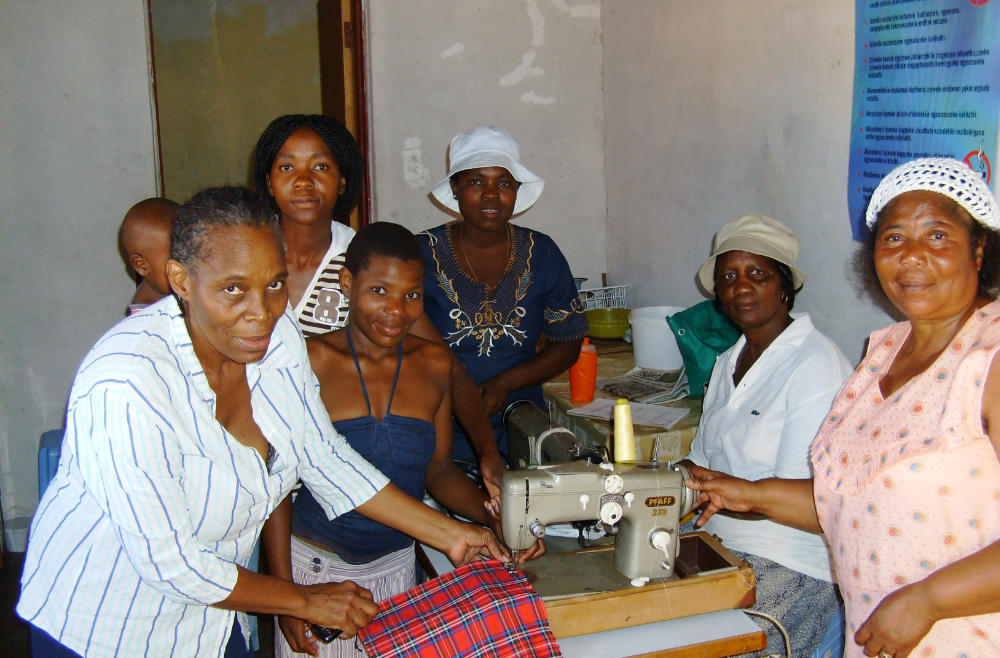
- Implementing/teaching self-sustainability projects/arts & crafts
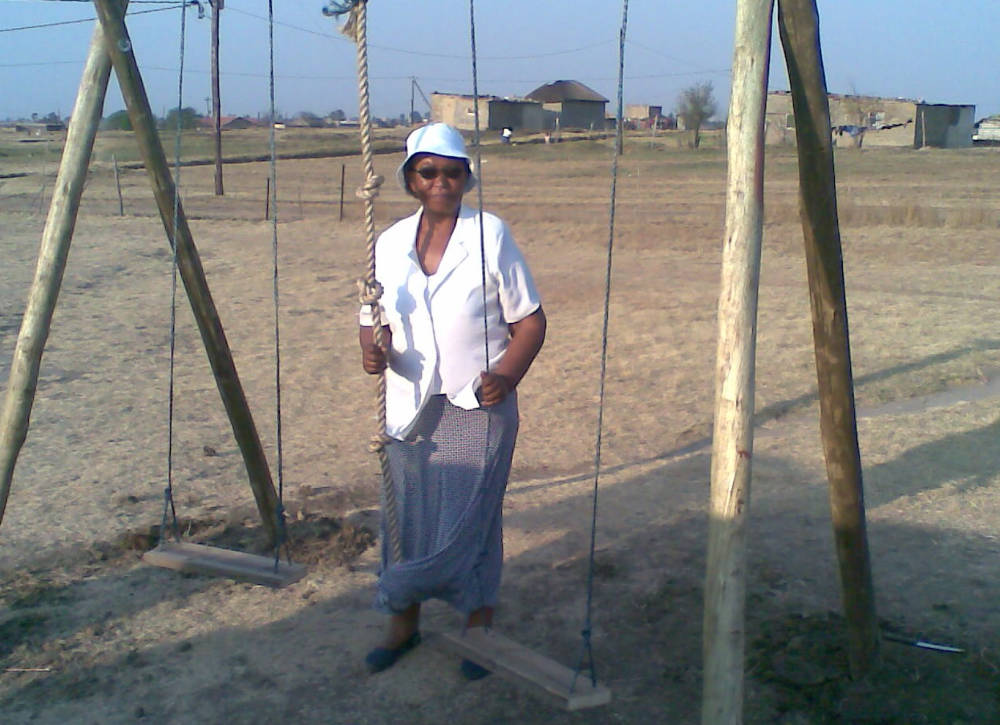
Swings for creche – Osizweni
2. Spread religion / gospel / making disciples – to be Kingdom-focused
Dr Gerd D. Luus
Bible outreach at township schools
3. Contribute to public good throught
- charity
- education and
- economic development
Clothing outreach – Osizweni
Raphah Ministries (as domestic missionaries) has successfully reached more than 500 000 people through its various outreach programmes, housing system/protective haven and community involvements since founded in 2008.
Our main and God-appointed target area is 37km radius from our “Mission” site and it is our domestic domain :
These areas are:
- Newcastle
- Madadeni Township
- Osizweni Township
- Blaauwbush Township
- Siyashala Township
As a local Ministry we have also expanded our area by addressing needs in the following communities on request:
- Utrecht (50km from Newcastle)
- Ladysmith (100km from Newcastle)
- Bergville (160km from Newcastle)
If you would like to learn more about our ministry or give support or even support the homeland missionary project fund, you can do so by visiting the various sections on this web-page.
Dr Gerd D. Luus – Missionary

Dr Gerd D. Luus (Doctorate in Ph.D – Leadership Development), Founder of Raphah Ministries, was called as a young boy to preach the gospel and in 2007 called to go into full-time ministry as well as a full-time missionary in Newcastle, Kwazulu-Natal, South Africa. God bestowed upon him a service area of 37km from the “Mission Station” at 9 van der Bijl Street, Newcastle.
Another common thought with “types of missionary work” is working with the “least of these”. Orphans, street children, widows, homeless, prisoners – these people are everywhere. However, those who desire to serve these people are not everywhere. This is something that God calls us to strive for in Matthew 25:40-45.
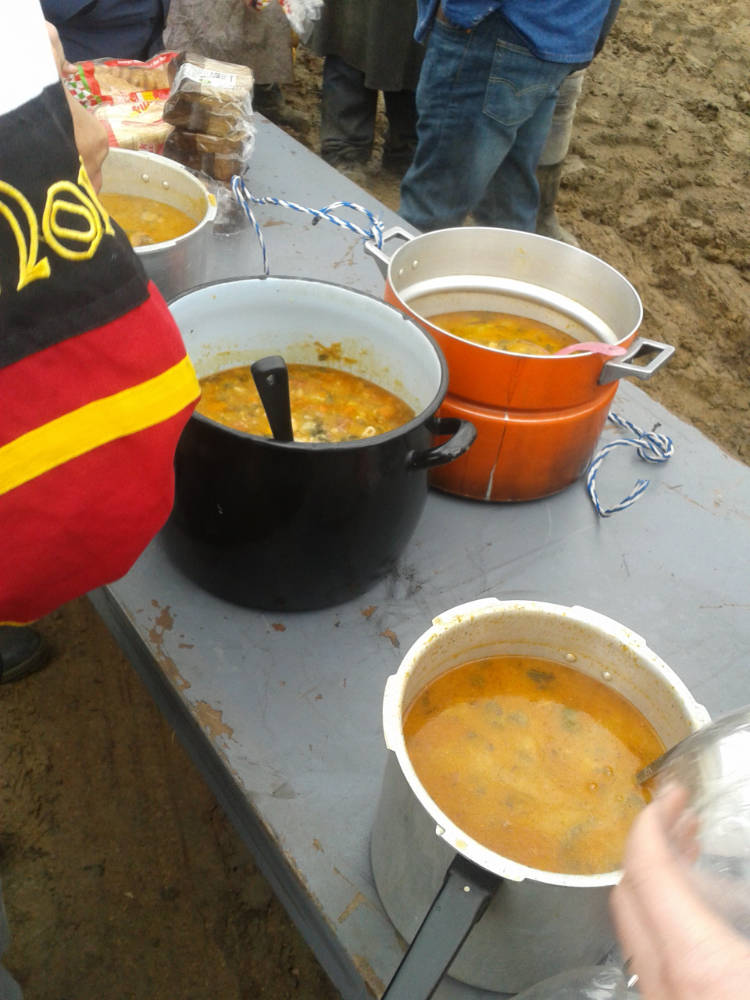
Feeding the Homeless in Newcastle – Trim Park
Helping the poorest-of-the-poor, homeless, street kids, people living on the streets, orphans, widows, etc. God has called Dr Luus as an individual for an exceptional purpose for the Newcastle area. God has anointed him for such a great task. Not every person is called to such a gifting, but Dr Luus has been called like non other in Newcastle and gifted to work with the “least of these”. Dr Luus also has a special gift to reach out and work with the communities in the local townships – understanding their culture, their methods, their history etc., and has earned an enormous respect amongst the community members, community- and church leaders, preachers etc.
Pastoral Training- 2012 (Madadeni) Group1
Dr Luus has been instrumental in teaching/training the local pastors of the Ingqungquthela (Unity in Christ) Ministers Fraternal, in Madadeni, their purpose as pastors and community leaders, assisting them with the running of their respective churches, teaching them gospel/biblical foundations (focussing on the Gifts of the Spirit), delivering them from ancestral bondages etc.
MINISTRIES OF SERVICE
INTRODUCTION
Missionaries provide a variety of services in their targeted areas/countries of work. It is referred to as Ministries of Service as each task/service/outreach is seen as a ministry in a specific field.